
Buyer Guides
Freehold vs Leasehold Property in Sri Lanka
Understand the key differences between freehold and leasehold property in Sri Lanka, including ownership rights, lease terms, and foreign buyer considerations.
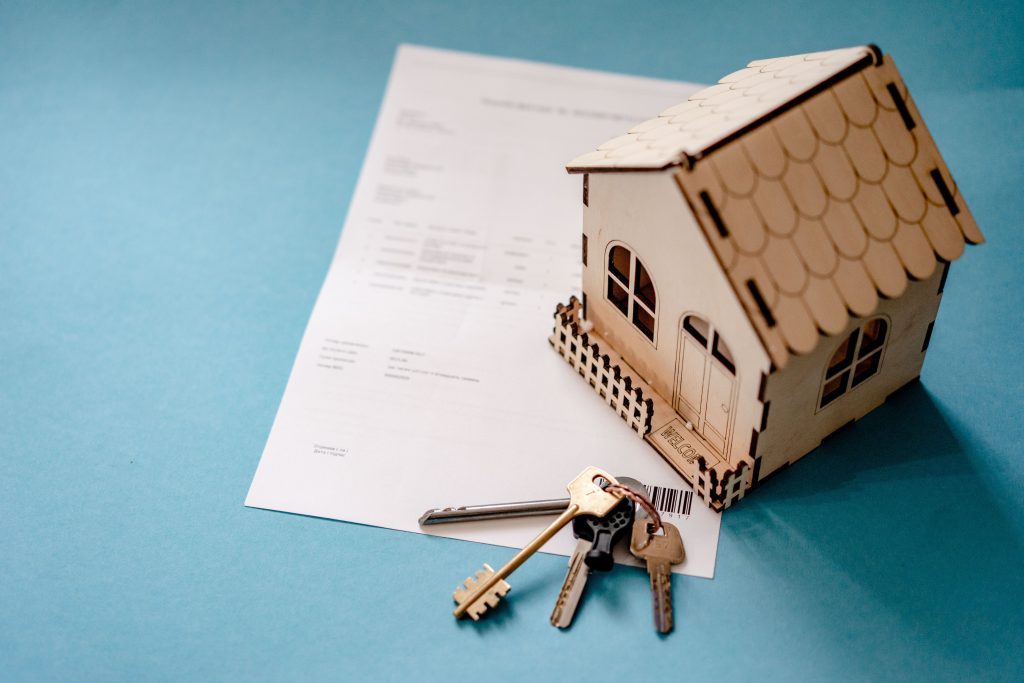
When buying property in Sri Lanka, one of the first terms you may encounter is freehold or leasehold.
The difference is important because it affects how long you can hold the property, what rights you have, what happens in the future, and whether the ownership structure is suitable for you.
For foreign buyers, the distinction is particularly important because Sri Lankan law generally restricts direct foreign ownership of ordinary land.
What Is Freehold Property?
Freehold generally means that you own the property without a fixed expiry date.
For land and houses, this usually means ownership of the land itself together with the buildings on it, subject to applicable laws, planning controls and any registered interests affecting the property.
A freehold owner can generally:
- Continue owning the property indefinitely
- Sell or transfer the property
- Lease it to another person
- Pass it to heirs
- Develop or alter it subject to approvals
Freehold ownership can therefore provide greater long-term control than a lease.
However, buyers must still verify the title carefully. A property being described as “freehold” in an advertisement does not replace a proper title investigation by a lawyer.
What Is Leasehold Property?
Leasehold means that you receive the right to use and occupy property for a specified period, while ownership of the underlying property remains with the landlord or lessor.
The lease agreement determines important matters such as:
- Length of the lease
- Rent or lease payment
- Renewal rights
- Permitted use
- Construction or alteration rights
- Subletting
- Transfer of the lease
- Maintenance responsibilities
- Termination conditions
- What happens when the lease expires
When the lease period ends, the rights granted under the lease normally end unless the lease is renewed or another arrangement is agreed.
This makes the terms of the lease agreement extremely important.
How Long Can a Lease Be in Sri Lanka?
Under Section 5 of the Land (Restrictions on Alienation) Act No. 38 of 2014, leases of land to foreigners and certain foreign-owned companies cannot exceed 99 years.
A 99-year lease can provide long-term use of a property, but it is still different from owning the land indefinitely.
The same Act was later amended so that the Land Lease Tax provisions do not apply to qualifying leases executed on or after 1 January 2016. Other taxes, stamp duties or transaction costs may still apply depending on the circumstances.
Freehold vs Leasehold at a Glance
| Freehold | Leasehold | |
|---|---|---|
| Ownership period | No fixed expiry | Fixed period |
| Ownership of land | Usually yes | No |
| Right to use property | As owner | According to lease |
| Can be transferred | Generally yes | Depends on lease terms |
| Renewal required | No | Usually required after expiry |
| Foreign buyer suitability | Restricted for ordinary land | May be available subject to law |
| Long-term control | Generally greater | Depends heavily on agreement |
The exact legal position always depends on the specific property and transaction.
Can Foreigners Own Freehold Property in Sri Lanka?
Foreign individuals generally cannot directly purchase ordinary freehold land in Sri Lanka in their own name.
Section 2 of the Land (Restrictions on Alienation) Act generally prohibits transfers of land title to foreigners, foreign companies and Sri Lankan companies with foreign shareholding of 50 percent or more, subject to specific statutory exemptions.
There are exceptions, including certain transfers involving dual citizens and qualifying condominium property.
This is why foreign buyers should not assume that a villa, house or plot advertised as freehold can automatically be purchased in their own name.
Read our guide Can Foreigners Buy Land in Sri Lanka? for a more detailed explanation.
What About Freehold Apartments?
Apartments require a different analysis from ordinary land.
Qualifying condominium parcels can fall within exemptions provided under Sri Lankan law, allowing eligible foreign buyers to acquire condominium ownership subject to the applicable requirements.
Therefore, a foreign buyer may be able to hold title to a qualifying apartment even though direct ownership of ordinary land is generally restricted.
Read our guide Can Foreigners Buy Apartments in Sri Lanka? for more information.
Can Leasehold Be a Practical Option for Foreign Buyers?
Yes, depending on the buyer’s objectives.
A long-term lease may be considered when a foreign buyer wants to use a house, villa or land but cannot directly acquire the underlying freehold title.
A lease can potentially provide long-term occupation and use rights, but buyers should carefully understand what they are receiving.
Important questions include:
- How many years remain on the lease?
- Can the lease be renewed?
- Can the lease be transferred to another person?
- Can the property be sublet?
- Can buildings be constructed or altered?
- Who is responsible for major repairs?
- What happens to improvements at the end of the lease?
- Can the lease be terminated early?
- Is the lease properly executed and registered?
Never judge a lease simply by its length.
A well-drafted 30, 50 or 99-year arrangement with clear rights may be very different from a poorly drafted lease with restrictive conditions.
Which Is Better, Freehold or Leasehold?
For a buyer legally entitled to own land, freehold may offer stronger long-term control because there is no fixed expiry period.
Leasehold can still make sense when:
- Freehold ownership is legally unavailable
- The buyer only needs the property for a defined period
- The location is more important than permanent land ownership
- The lease terms are commercially attractive
- A long-term property use arrangement meets the buyer’s objectives
Neither structure should be considered automatically better without examining the specific transaction.
What Should Buyers Check?
Whether you are considering freehold or leasehold property, ask an independent Sri Lankan property lawyer to review:
- Current ownership
- Title history
- Survey plan
- Land Registry records
- Mortgages and other encumbrances
- Access rights
- Planning restrictions
- Ownership eligibility
- Lease agreement, if applicable
- Remaining lease term
- Renewal provisions
- Transfer and subletting rights
- Taxes and stamp duties
For leasehold property, the lawyer should also confirm that the person granting the lease actually has the legal authority to do so.
Common Mistakes to Avoid
Assuming a 99-year lease is the same as freehold
It is not. A long lease can provide extensive rights, but the underlying ownership remains with another party.
Looking only at the remaining lease period
Renewal rights, transfer restrictions and termination clauses can be equally important.
Assuming foreigners can buy any freehold property
Foreign ownership restrictions apply to ordinary land unless a statutory exemption is available.
Relying on the property advertisement
Terms such as “freehold” and “99-year lease” should be verified against the actual legal documents.
Paying before obtaining legal advice
The ownership structure should be understood before paying a substantial deposit or signing a binding agreement.
Final Thoughts
The key difference is straightforward:
Freehold provides ownership without a fixed expiry date, while leasehold provides rights to use property for a defined period under a lease agreement.
For foreign buyers in Sri Lanka, leasehold can sometimes provide an alternative where direct land ownership is restricted, while qualifying condominium apartments may offer a different ownership route.
The correct structure depends on the property, buyer and intended use.
Before committing to either freehold or leasehold property, have the title, ownership eligibility and agreement independently reviewed by a qualified Sri Lankan property lawyer.
Frequently Asked Questions
Is freehold better than leasehold in Sri Lanka?
Freehold generally provides greater long-term control because ownership does not expire. However, leasehold may be suitable depending on the buyer’s circumstances, legal eligibility and intended use.
Can foreigners own freehold land in Sri Lanka?
Generally, foreign individuals cannot directly acquire ordinary freehold land unless a statutory exemption applies under the Land (Restrictions on Alienation) Act.
Can foreigners lease land in Sri Lanka?
Sri Lankan law permits leases to foreigners subject to applicable requirements. Under the Land (Restrictions on Alienation) Act, the maximum lease tenure is 99 years.
Is a 99-year lease ownership?
No. It is a long-term right to use the property according to the lease agreement. Ownership of the underlying property remains with the lessor.
Can foreigners own apartments freehold?
Eligible foreign buyers may be able to acquire qualifying condominium parcels, subject to Sri Lankan legal and foreign exchange requirements.
Disclaimer
This article provides general information only and does not constitute legal, tax, financial or investment advice. Property ownership and lease arrangements depend on the specific property and transaction. Buyers should obtain independent advice from a qualified Sri Lankan lawyer before making a payment or entering into an agreement.
Related Insights
Buying a Retirement Home in Sri Lanka
A practical guide to buying a retirement home in Sri Lanka, including location, ownership, healthcare access, ongoing costs and long-term lifestyle considerations.
Read Insight →
What Is CMA Clearance in Sri Lanka?
Understand what CMA clearance means in Sri Lanka, how it relates to condominium projects, and what apartment buyers should verify before purchasing.
Read Insight →
Common Mistakes Foreign Buyers Make in Sri Lanka
Avoid common property buying mistakes in Sri Lanka, from ownership rules and title checks to payments, contracts and choosing the right lawyer.
Read Insight →