
Buyer Guides
Can Foreigners Buy Land in Sri Lanka?
Foreigners generally face restrictions on directly owning land in Sri Lanka. Here are the key rules, exceptions and alternatives buyers should understand.
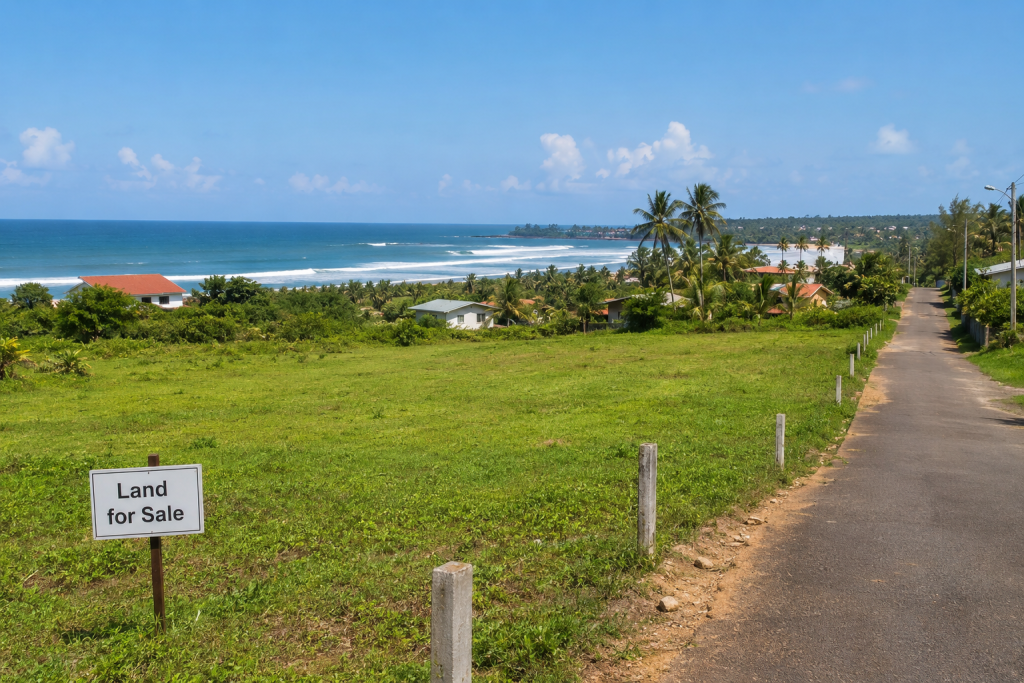
Foreigners generally cannot directly purchase and own ordinary land in Sri Lanka in their own name.
The main law governing this is the Land (Restrictions on Alienation) Act No. 38 of 2014, as amended. Section 2 generally prohibits the transfer of title to land in Sri Lanka to a foreigner, a foreign company, or a Sri Lankan company where direct or indirect foreign shareholding is 50% or more, unless a specific exemption applies.
That does not mean foreigners have no property options in Sri Lanka. Certain exemptions exist, and leasing land may also be possible depending on the property and transaction.
The Basic Rule for Foreign Buyers
For an ordinary foreign individual, the starting position is simple:
A foreigner generally cannot buy freehold land in Sri Lanka and register the title directly in their own name.
This applies whether the land is intended for:
- A house or villa
- A holiday home
- A commercial property
- A development project
- Vacant land
The restriction comes from Section 2 of the Land (Restrictions on Alienation) Act.
For this reason, overseas buyers should be cautious when a property advertisement suggests that a foreigner can simply purchase a plot of land in the same way as a Sri Lankan citizen.
Are There Exceptions?
Yes. The Act contains several specific exemptions, although many will not apply to an ordinary overseas property buyer.
Some important examples include:
- Dual citizens of Sri Lanka
- Certain transfers to a foreign next of kin through inheritance, gift or testamentary disposition
- Certain qualifying condominium parcels
- Certain transactions involving qualifying companies or approved investment arrangements
For example, Section 3 expressly exempts transfers to a dual citizen of Sri Lanka from the general prohibition. It also contains an exemption for qualifying condominium parcels, subject to the applicable payment requirements.
Because the exemptions are specific, buyers should never assume that they qualify without having their individual circumstances and the property documents checked by a Sri Lankan lawyer.
What About Buying Through a Sri Lankan Company?
This is an area where buyers should be particularly careful.
The Act generally also restricts land transfers to a Sri Lankan company where 50% or more of its shareholding is foreign-owned, directly or indirectly.
A Sri Lankan company with foreign shareholding below 50% can be treated differently, but the law imposes continuing conditions. For example, the Act requires the foreign shareholding to remain below 50% for a specified period to maintain the validity of certain land transfers.
There are also special exemptions, including certain companies listed on the Colombo Stock Exchange following amendments to the law.
Therefore, creating a company should not be viewed as a simple workaround for foreign land-ownership restrictions.
Anyone considering a company structure should obtain independent legal and tax advice before proceeding.
Can a Foreigner Lease Land in Sri Lanka?
Leasing can be an alternative to direct freehold ownership.
The Land (Restrictions on Alienation) Act provides for leases to foreigners and sets a maximum lease period of 99 years. The Act was also amended so that the former Land Lease Tax does not apply to qualifying leases executed on or after 1 January 2016.
A long-term lease may therefore be relevant for a foreign buyer who wants to:
- Occupy a villa or house
- Develop a property
- Operate a business
- Secure long-term use of privately owned land
However, a lease is not the same as owning the land.
The lease agreement should clearly set out the term, renewal rights, construction rights, use restrictions, transfer or sublease rights, termination conditions and what happens to buildings or improvements when the lease ends.
What About State Land?
State land is different from privately owned land.
Sri Lanka’s Ministry responsible for lands currently states that a person who is not a Sri Lankan citizen and a person who has lost Sri Lankan citizenship cannot obtain State land on a lease basis.
Foreign buyers should therefore establish at an early stage whether the property they are considering is privately owned land or State land.
Land vs Condominium Apartments
This is one of the most important distinctions for overseas buyers.
Direct ownership of ordinary land is generally restricted, while the Act specifically provides an exemption for a condominium parcel governed by the Apartment Ownership Law, subject to the statutory requirements.
The Apartment Ownership Law allows buildings to be divided into separately identifiable condominium parcels with common elements, and registered condominium parcels can receive individual condominium title.
This is why qualifying apartments can be a more straightforward ownership option for foreign buyers than purchasing a separate plot of land.
Read our guide: Can Foreigners Buy Apartments in Sri Lanka?
What Should a Buyer Check Before Proceeding?
Before paying a deposit or signing an agreement involving land, a foreign buyer should ask an independent Sri Lankan property lawyer to verify:
- The current legal owner
- The deed and title history
- The survey plan and boundaries
- Whether the property is private or State land
- Any mortgages or other encumbrances
- Road access
- Planning and building restrictions
- Whether the proposed ownership or lease arrangement is legally permitted
- The correct banking and payment process
- Tax and stamp-duty implications
For South Coast property, additional planning, coastal or environmental considerations may also be relevant depending on the location.
Common Mistakes to Avoid
Assuming residency allows land ownership
Living in Sri Lanka or holding a visa does not by itself give a foreign national the same land-ownership rights as a Sri Lankan citizen.
Using a company as an automatic workaround
Company ownership is subject to specific foreign-shareholding rules. The company structure and its long-term obligations should be professionally reviewed.
Confusing a lease with ownership
A long-term lease can provide substantial rights to use a property, but the underlying land remains owned by the lessor.
Paying a reservation fee before checking title
Legal due diligence should begin before significant money is committed.
Relying only on the seller’s advice
Foreign buyers should use an independent lawyer who acts for the buyer rather than relying solely on the seller, developer or agent.
Final Answer: Can Foreigners Buy Land in Sri Lanka?
Generally, no.
A foreign individual cannot normally purchase ordinary freehold land in Sri Lanka and register the title directly in their own name under the Land (Restrictions on Alienation) Act.
However, the law contains specific exemptions, including for dual citizens and certain other circumstances. Foreigners may also consider legally structured leases of privately owned land, while qualifying condominium apartments are treated differently under the law.
Because property circumstances vary, a foreign buyer should have the exact property and proposed transaction independently reviewed before making any payment.
Frequently Asked Questions
Can a foreigner buy freehold land in Sri Lanka?
Generally, no. Section 2 of the Land (Restrictions on Alienation) Act restricts the transfer of land title to a foreigner unless a statutory exemption applies.
Can a dual citizen buy land in Sri Lanka?
The Act specifically provides an exemption for transfers of land to a dual citizen of Sri Lanka within the meaning of the Citizenship Act.
Can foreigners lease private land?
The Act provides for leasing land to foreigners, with a maximum tenure of 99 years. The terms and legal status of the particular lease should still be independently reviewed.
Can foreigners lease State land?
The Ministry responsible for lands currently states that a non-Sri Lankan citizen cannot obtain State land on lease.
Can foreigners buy apartments instead?
Qualifying condominium parcels are specifically treated as an exemption under the Land (Restrictions on Alienation) Act, subject to the applicable conditions.
Disclaimer
This article is intended for general information only and does not constitute legal, tax, financial or investment advice. Sri Lankan laws, regulations and administrative practices may change, and different rules may apply depending on the property and buyer. Always obtain independent advice from a qualified Sri Lankan property lawyer and relevant professional advisers before entering into a property transaction.
Related Insights
Buying a Retirement Home in Sri Lanka
A practical guide to buying a retirement home in Sri Lanka, including location, ownership, healthcare access, ongoing costs and long-term lifestyle considerations.
Read Insight →
What Is CMA Clearance in Sri Lanka?
Understand what CMA clearance means in Sri Lanka, how it relates to condominium projects, and what apartment buyers should verify before purchasing.
Read Insight →
Common Mistakes Foreign Buyers Make in Sri Lanka
Avoid common property buying mistakes in Sri Lanka, from ownership rules and title checks to payments, contracts and choosing the right lawyer.
Read Insight →