
Buyer Guides
Buying a Retirement Home in Sri Lanka
A practical guide to buying a retirement home in Sri Lanka, including location, ownership, healthcare access, ongoing costs and long-term lifestyle considerations.
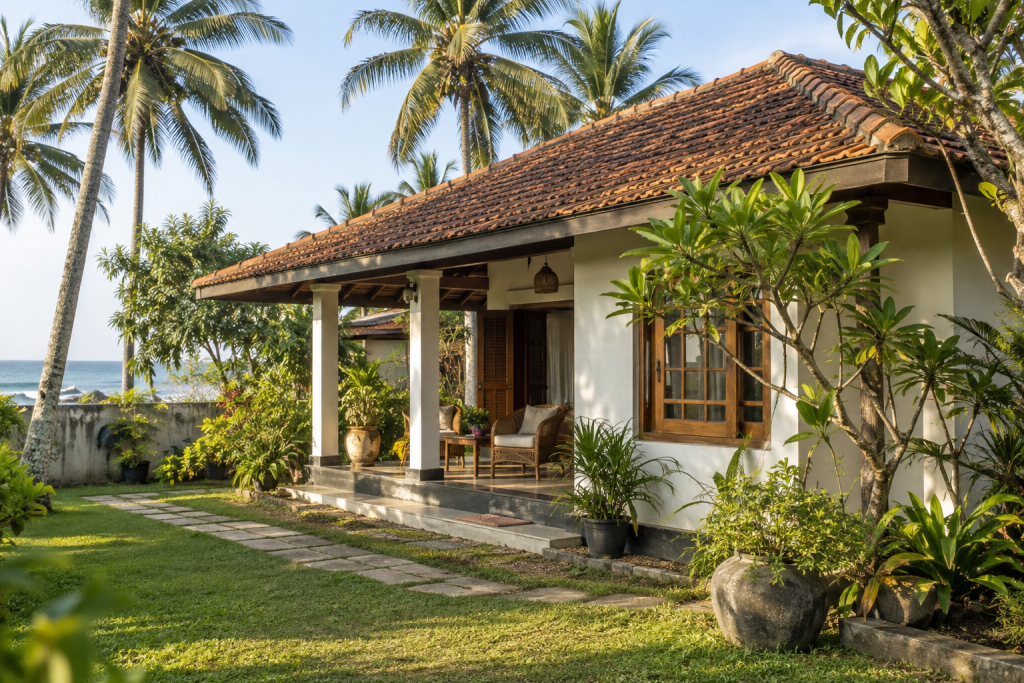
Sri Lanka can appeal to retirement home buyers looking for a warm climate, coastal lifestyle and a slower pace of life.
The South Coast in particular offers a wide range of environments, from established towns such as Galle and Weligama to smaller coastal communities such as Ahangama and Hiriketiya.
However, choosing a retirement home requires different thinking from choosing a short holiday property.
The home should work not only today, but also five, ten or twenty years from now.
Start With the Right Location
Location is one of the most important decisions for a retirement property.
A quiet villa may sound attractive, but living far from shops, healthcare and everyday services can become inconvenient over time.
Consider:
- Access to hospitals and medical facilities
- Supermarkets and everyday shopping
- Pharmacies
- Banks
- Restaurants and cafés
- Road access
- Public transport
- Airport access
- Noise
- Flooding and drainage
- Distance from family or support networks
A property does not need to be in the centre of a town, but practical access becomes increasingly important for long-term living.
Which South Coast Areas May Suit Retirement Buyers?
Different South Coast locations offer different advantages.
Galle
Galle may appeal to buyers who want established infrastructure, healthcare access, shops and restaurants while remaining close to the coast.
It can be particularly relevant for buyers planning longer stays rather than only short holidays.
Weligama
Weligama combines a coastal environment with the facilities of an established town.
It may suit buyers who want beach access without being too far from supermarkets, transport and everyday services.
Ahangama
Ahangama may appeal to buyers looking for a smaller coastal lifestyle with cafés, villas and a more boutique atmosphere.
Some inland properties can offer additional privacy, although road access and distance to services should be checked carefully.
Mirissa
Mirissa may suit buyers who value a recognised beach destination and coastal lifestyle.
Properties slightly away from the busiest tourism areas may be more suitable for long-term living.
For a broader comparison, read our Best Places to Buy Property on Sri Lanka’s South Coast guide.
Apartment or Villa for Retirement?
This is an important lifestyle decision.
Apartment
An apartment may offer:
- Easier maintenance
- Security
- Lift access
- Managed common areas
- Shared facilities
- Less responsibility while overseas
For some retirees, this can make an apartment easier to manage.
Villa
A villa may offer:
- More privacy
- Private garden
- Larger living space
- Private swimming pool
- Greater independence
However, villas generally require more maintenance, security and property management.
Before deciding, read our Apartment vs Villa in Sri Lanka: Which Is Better? guide.
Think About Accessibility
A retirement property should remain practical if mobility changes later.
Consider:
- Stairs
- Lift availability
- Step-free entry
- Bathroom layout
- Width of doors
- Parking distance
- Steep driveways
- Uneven paths
- Distance from the road
A beautiful three-storey villa may be attractive today but less convenient later.
For apartments, check whether the lift has backup power and whether important facilities can still be accessed during a power interruption.
Healthcare Access Matters
Healthcare should be part of the location decision from the beginning.
Before buying, identify:
- The nearest hospital
- Private medical facilities
- Pharmacies
- Emergency services
- Dental care
- Specialist healthcare you may need
- Travel time to larger hospitals
Do not judge distance only by kilometres. Travel time can vary considerably depending on roads and traffic.
For retirement living, access to healthcare may ultimately be more important than being directly beside the beach.
What Foreign Buyers Should Know
Foreign ownership rules are especially important.
Foreign individuals generally cannot directly purchase ordinary freehold land in Sri Lanka unless a statutory exemption applies under the Land (Restrictions on Alienation) Act. Qualifying condominium apartments are treated differently and may be available to eligible foreign buyers subject to applicable requirements. Inland Revenue Department
If you are considering a villa or land, read our Can Foreigners Buy Land in Sri Lanka? guide.
If you are considering an apartment, read Can Foreigners Buy Apartments in Sri Lanka?
The ownership structure should be confirmed before you make a significant payment.
Buying Property Does Not Automatically Give You Residency
Property ownership and immigration status are separate matters.
A foreign buyer should not assume that purchasing a house or apartment automatically creates a right to live permanently in Sri Lanka.
Sri Lanka currently offers residence visas under specific categories. The Department of Immigration and Emigration lists categories including investors, employment, family members of Sri Lankans and ex-Sri Lankans. The older My Dream Home programme is currently available only for extensions to existing holders. Immigration Department of Sri Lanka
If long-term residence is important to your retirement plan, confirm your immigration options directly with the Department of Immigration and Emigration before purchasing.
Consider the Full Cost of Retirement Property
The purchase price is only the beginning.
Budget for:
- Legal fees
- Taxes and registration costs
- Service charges
- Insurance
- Utilities
- Repairs
- Gardening
- Pool maintenance
- Security
- Property management
- Household help
- Furnishing
An apartment may have predictable monthly service charges, while a villa may have more variable maintenance costs.
Think in terms of the annual cost of owning the property, not only the purchase price.
What Happens When You Are Overseas?
Many retirement buyers may spend only part of the year in Sri Lanka.
Ask:
- Who will inspect the property while I am away?
- Who will handle repairs?
- Who pays utility bills?
- Who manages the garden or pool?
- How will emergencies be handled?
- Is there reliable property management nearby?
This is one area where a professionally managed apartment may have an advantage over an independent villa.
Think Long Term
Your priorities may change over time.
Before buying, consider whether the property would still work if:
- You stop driving
- You need easier access to healthcare
- Stairs become difficult
- You spend more time overseas
- You need help maintaining the property
- A spouse or family member needs additional support
Buying for retirement is not only about today’s lifestyle.
It is about choosing a property that remains practical over many years.
What Should You Check Before Buying?
Before making a payment, verify:
- Legal title
- Ownership eligibility
- Survey boundaries
- Building approvals
- Road access
- Water supply
- Electricity
- Drainage
- Flooding risks
- Property condition
- Service charges
- Maintenance requirements
- Nearby healthcare
- Property management availability
An independent Sri Lankan property lawyer should review the legal documents before you commit funds.
Read our How to Choose a Property Lawyer in Sri Lanka guide if you are unsure where to start.
Common Mistakes to Avoid
Choosing only for the view
A sea view is attractive, but healthcare, road access and everyday convenience may become more important.
Buying a property that is difficult to maintain
Large gardens and pools require regular attention.
Ignoring accessibility
Consider how the property will work as you get older.
Assuming property ownership provides residency
Immigration status must be considered separately.
Paying before completing legal checks
Ownership and title should be independently verified first.
For a broader checklist, read our Common Mistakes Foreign Buyers Make in Sri Lanka guide.
Final Thoughts
Sri Lanka can offer an attractive setting for a retirement home, particularly for buyers who value warm weather, coastal living and access to the South Coast lifestyle.
But the best retirement property is not necessarily the most impressive villa or the property closest to the beach.
Location, healthcare access, maintenance, accessibility, legal ownership and long-term practicality matter just as much.
Before buying, spend meaningful time in the area, experience everyday life rather than only a holiday, compare several property types and obtain independent legal advice.
Frequently Asked Questions
Can foreigners buy a retirement home in Sri Lanka?
Foreign buyers can purchase certain types of property, but ownership rules depend on the property structure. Direct ownership of ordinary land is generally restricted, while qualifying condominium apartments may be available to eligible foreign buyers.
Is an apartment or villa better for retirement?
Apartments may offer easier maintenance and security, while villas usually provide more privacy and space. The better choice depends on lifestyle, mobility and management preferences.
Does buying property give a foreigner residency in Sri Lanka?
Property ownership should not be assumed to provide residency. Immigration status is governed separately under Sri Lanka’s visa system. Immigration Department of Sri Lanka
Which South Coast area is suitable for retirement?
Galle and Weligama may appeal to buyers seeking easier access to established services, while Ahangama, Mirissa and smaller coastal areas may suit buyers prioritising lifestyle and privacy.
Should I rent before buying?
For many retirement buyers, spending an extended period in the area before purchasing can help determine whether the location works for everyday life rather than only holidays.
Disclaimer
This article provides general information only and does not constitute legal, immigration, tax, financial, medical or investment advice. Property ownership rules, visa requirements and regulations can change. Buyers should independently verify current requirements and obtain appropriate professional advice before purchasing property or making relocation decisions.
Related Insights
What Is CMA Clearance in Sri Lanka?
Understand what CMA clearance means in Sri Lanka, how it relates to condominium projects, and what apartment buyers should verify before purchasing.
Read Insight →
Common Mistakes Foreign Buyers Make in Sri Lanka
Avoid common property buying mistakes in Sri Lanka, from ownership rules and title checks to payments, contracts and choosing the right lawyer.
Read Insight →
Freehold vs Leasehold Property in Sri Lanka
Understand the key differences between freehold and leasehold property in Sri Lanka, including ownership rights, lease terms, and foreign buyer considerations.
Read Insight →