
Area Guides
Galle Property Buyer Guide
A practical guide to buying property in Galle, including Galle Fort, residential areas, property types, foreign buyer rules and key checks before purchasing.
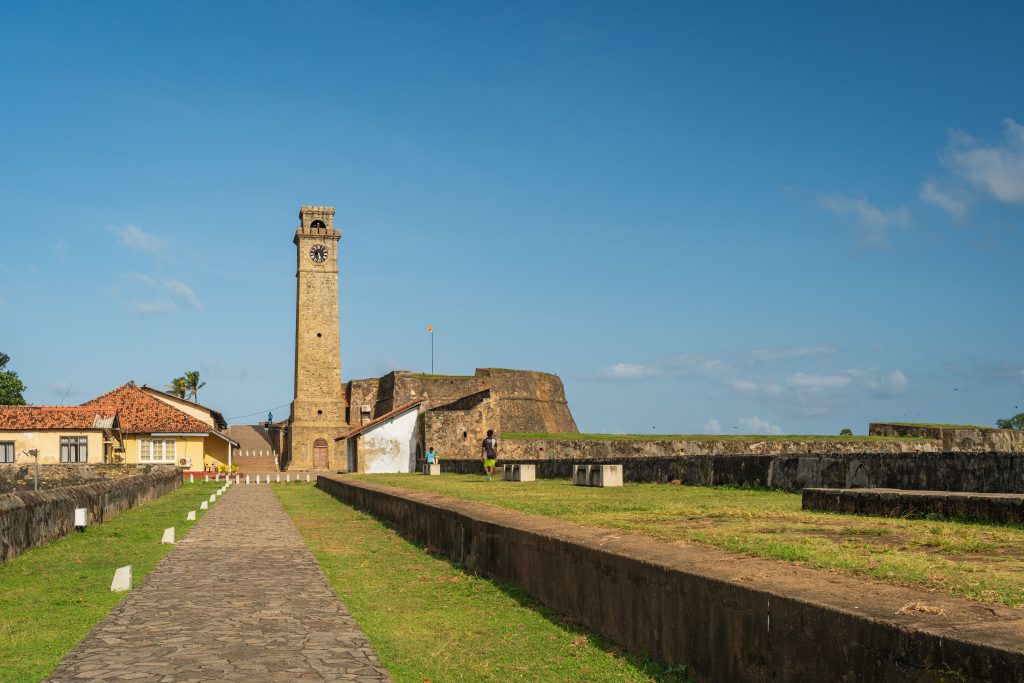
Galle offers a different property environment from many smaller South Coast beach towns.
It combines an established city, coastal neighbourhoods, residential areas and the historic Galle Fort. This can make Galle attractive to buyers looking for longer stays, everyday services, heritage character or a base with access to the wider South Coast.
The Old Town of Galle and its Fortifications has been a UNESCO World Heritage Site since 1988 and is recognised for its historic fortified urban character and the interaction between European and South Asian architectural traditions.
For property buyers, this means location matters greatly. Buying inside Galle Fort is very different from purchasing a villa, apartment or house elsewhere in greater Galle.
Why Consider Galle?
Galle may appeal to buyers who want more than a holiday destination.
Depending on the area, buyers can benefit from:
- Established shops and services
- Schools and healthcare
- Restaurants and hospitality
- Road access to other South Coast locations
- Coastal neighbourhoods
- Historic and cultural character
- A broader range of residential property
Compared with smaller towns, Galle may be particularly suitable for buyers considering longer stays or full-time living.
What Types of Property May Buyers Find?
Property opportunities in Galle can include:
- Apartments
- Residential houses
- Villas
- Land
- Heritage properties
- Boutique hospitality properties
- Properties in surrounding coastal areas
The right option depends on the buyer’s intended use.
A heritage property inside Galle Fort, for example, involves very different legal, maintenance and planning considerations from a modern apartment outside the Fort.
Buying Property in Galle Fort
Galle Fort is one of the most distinctive property locations in Sri Lanka, but buyers should approach heritage property carefully.
UNESCO notes that the entire Fort is subject to conservation and planning controls, including protections under Sri Lanka’s Antiquities Ordinance and Urban Development Authority framework. UNESCO also states that many houses remain privately owned while historic and protected structures are subject to conservation requirements.
This means buyers should not assume that a historic building can be altered, extended or renovated freely.
Before buying inside Galle Fort, check:
- Heritage status of the building
- Permitted alterations
- Restoration requirements
- Planning approvals
- Structural condition
- Drainage
- Roof condition
- Maintenance costs
- Commercial use restrictions
- Parking and vehicle access
UNESCO’s 2026 decision also notes that updated planning and development regulations for the World Heritage property are still being finalised, reinforcing the need for property-specific checks before purchase or renovation.
Galle Outside the Fort
Buyers should not think of Galle only as the Fort.
Greater Galle includes residential neighbourhoods and nearby coastal areas where buyers may find:
- Houses
- Villas
- Apartments
- Land
- Smaller developments
These locations may provide easier parking, larger plots and more modern residential options than properties inside the historic Fort.
For some buyers, living outside the Fort while remaining close to central Galle can provide a better balance between convenience and lifestyle.
Is Galle Suitable for a Holiday Home?
Yes, depending on the property and location.
Galle can suit buyers who want:
- Access to restaurants and services
- A historic environment
- Easy access to nearby beaches
- A base for exploring the South Coast
- Longer stays rather than only short holidays
However, buyers should still consider:
- Traffic
- Parking
- Noise
- Property security
- Maintenance
- Property management
- Distance to the coast
- Access to everyday services
A property inside the Fort may suit a very different buyer from a villa or apartment in a quieter residential area.
What Foreign Buyers Should Know
Foreign buyers should understand the ownership structure before proceeding.
Foreign individuals generally cannot directly purchase ordinary freehold land in Sri Lanka unless a legal exemption applies.
Qualifying condominium apartments are treated differently and may be available to eligible foreign buyers, subject to applicable legal and foreign exchange requirements.
If you are considering land or a house with land, read our Can Foreigners Buy Land in Sri Lanka? guide.
If you are considering an apartment, read Can Foreigners Buy Apartments in Sri Lanka?
What Should Buyers Check Before Buying?
Before making a significant payment, buyers should verify:
- Legal title
- Ownership history
- Survey boundaries
- Mortgages and other encumbrances
- Road access
- Planning approvals
- Building approvals
- Heritage restrictions where applicable
- Water and electricity
- Drainage
- Foreign ownership eligibility
- Intended residential or commercial use
An independent Sri Lankan property lawyer should review the transaction before you commit funds.
If you need help selecting one, read our How to Choose a Property Lawyer in Sri Lanka guide.
Galle Fort Properties Need Additional Due Diligence
Heritage property can be attractive, but renovation and maintenance may be more complex.
UNESCO continues to monitor conservation, management and development controls in Galle Fort, including updates to planning regulations and the management plan.
Before purchasing a historic property, buyers should investigate:
- Whether the building is protected
- Whether previous alterations were approved
- What renovation work is permitted
- Whether specialist materials or methods are required
- Future maintenance costs
- Approval procedures for proposed changes
Do not rely only on the property’s appearance or its location inside the Fort.
Galle vs Smaller South Coast Towns
Galle offers a different proposition from places such as Weligama, Ahangama or Mirissa.
Galle may appeal more to buyers looking for:
- Established infrastructure
- Longer-term living
- Heritage character
- Urban services
- A wider variety of residential property
Weligama, Ahangama and Mirissa may appeal more to buyers prioritising:
- Beach lifestyle
- Surf culture
- Smaller coastal communities
- Holiday property
- Tourism-focused environments
There is no single better choice.
Read our Best Places to Buy Property on Sri Lanka’s South Coast guide if you are still comparing locations.
Common Mistakes to Avoid
Assuming every Galle property is similar
Galle Fort, central Galle and surrounding coastal areas have very different property environments.
Buying heritage property without checking restrictions
Historic buildings can be subject to conservation and planning requirements.
Underestimating maintenance
Older properties may require more frequent and specialist maintenance.
Assuming foreign ownership is straightforward
The ownership structure should be checked before paying a deposit.
Relying only on seller information
Title, approvals and restrictions should be independently verified.
For a broader checklist, read our Common Mistakes Foreign Buyers Make in Sri Lanka guide.
Final Thoughts
Galle can appeal to buyers looking for a South Coast location with established services, heritage character and a wider range of residential property.
However, the right property depends heavily on the exact location.
A historic home inside Galle Fort, a modern apartment and a villa outside the city should not be evaluated in the same way.
Before buying, spend time in different parts of Galle, compare several properties and obtain independent legal advice, especially when heritage or planning restrictions may apply.
Frequently Asked Questions
Is Galle a good place to buy property?
It may suit buyers looking for established infrastructure, heritage character and access to the wider South Coast. Suitability depends on the specific property, price, legal status and intended use.
Can foreigners buy property in Galle?
Foreign buyers can consider property in Galle, but ownership rules depend on the property type. Ordinary land ownership is generally restricted, while qualifying condominium apartments may be available to eligible foreign buyers.
Can foreigners buy property in Galle Fort?
The same foreign ownership rules apply, but Galle Fort properties may also involve additional heritage, conservation and planning restrictions.
Is Galle suitable for long-term living?
Yes, it may be more suitable than smaller tourism-focused locations for buyers who value access to urban services and established infrastructure.
Is Galle Fort property difficult to renovate?
Renovation can be more complex because conservation and planning controls apply within the World Heritage property. Buyers should confirm permitted works before purchasing.
Disclaimer
This article provides general information only and does not constitute legal, tax, financial or investment advice. Property availability, planning requirements and regulations can change. Buyers should independently verify the specific property and obtain professional legal and financial advice before entering into a transaction.
Related Insights

Best Surf Towns in Sri Lanka for Property Buyers
Compare some of Sri Lanka's best surf towns for property buyers, including lifestyle, rental appeal, property types and key differences between locations.
Read Insight →
Ahangama Property Investment Guide
A practical guide to buying property in Ahangama, including lifestyle, property types, foreign buyer rules and key checks before investing.
Read Insight →
Mirissa Property Investment Guide
A practical guide to buying property in Mirissa, including location, lifestyle, property types, foreign buyer rules and key checks before investing.
Read Insight →